Evolving, Thinking, Enterprise-Ready Knowledge Base
Build Your Knowledge Management Platform with Bubble-RAG Now
Intelligence Should Not Dilute with Scale
Understand How Bubble-RAG Works
Complete your knowledge base setup in just a few steps
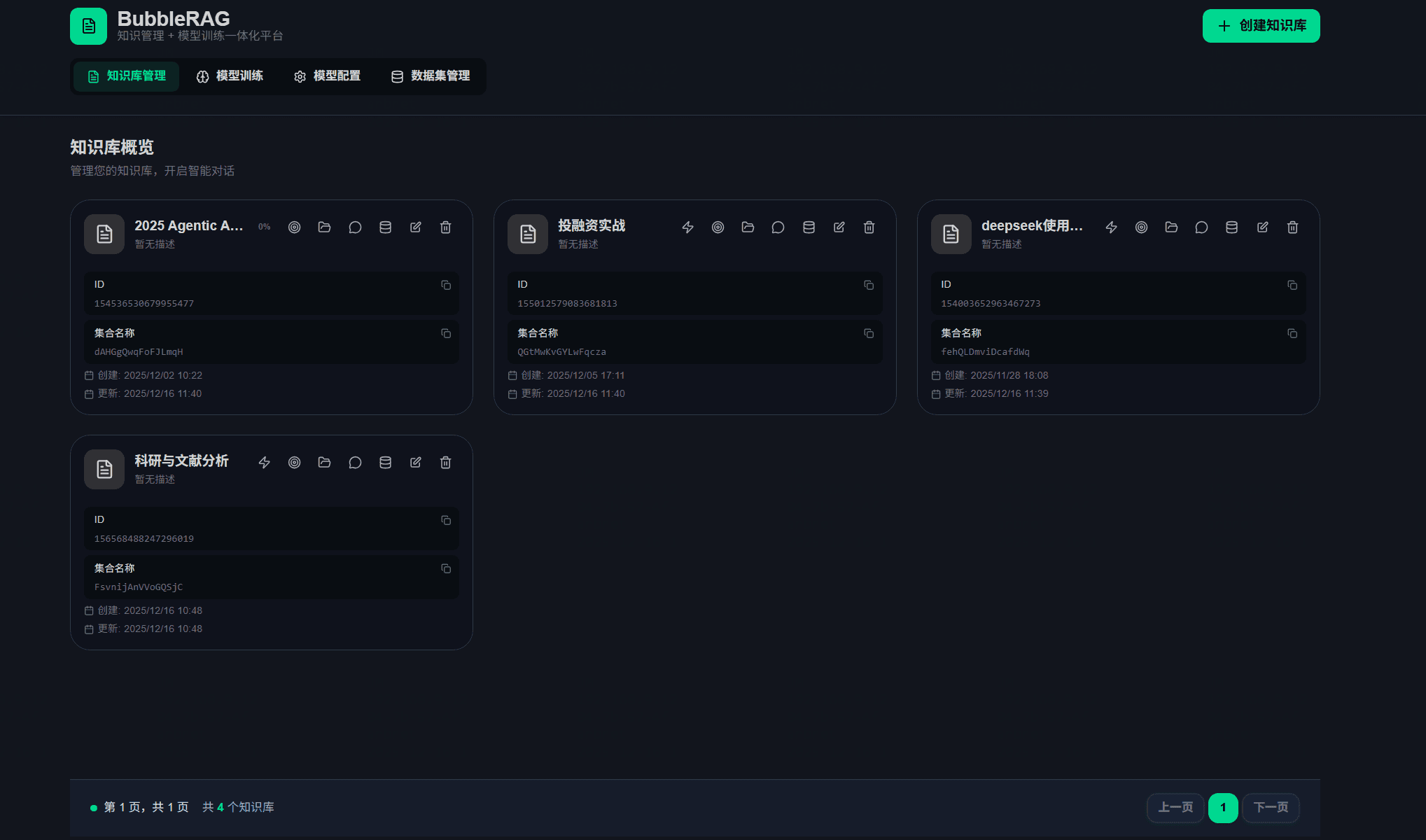
Create Knowledge Base
Quickly create your dedicated knowledge base and establish intelligent retrieval foundation for your data. Support multiple data source integration for easy enterprise-level knowledge management system construction.
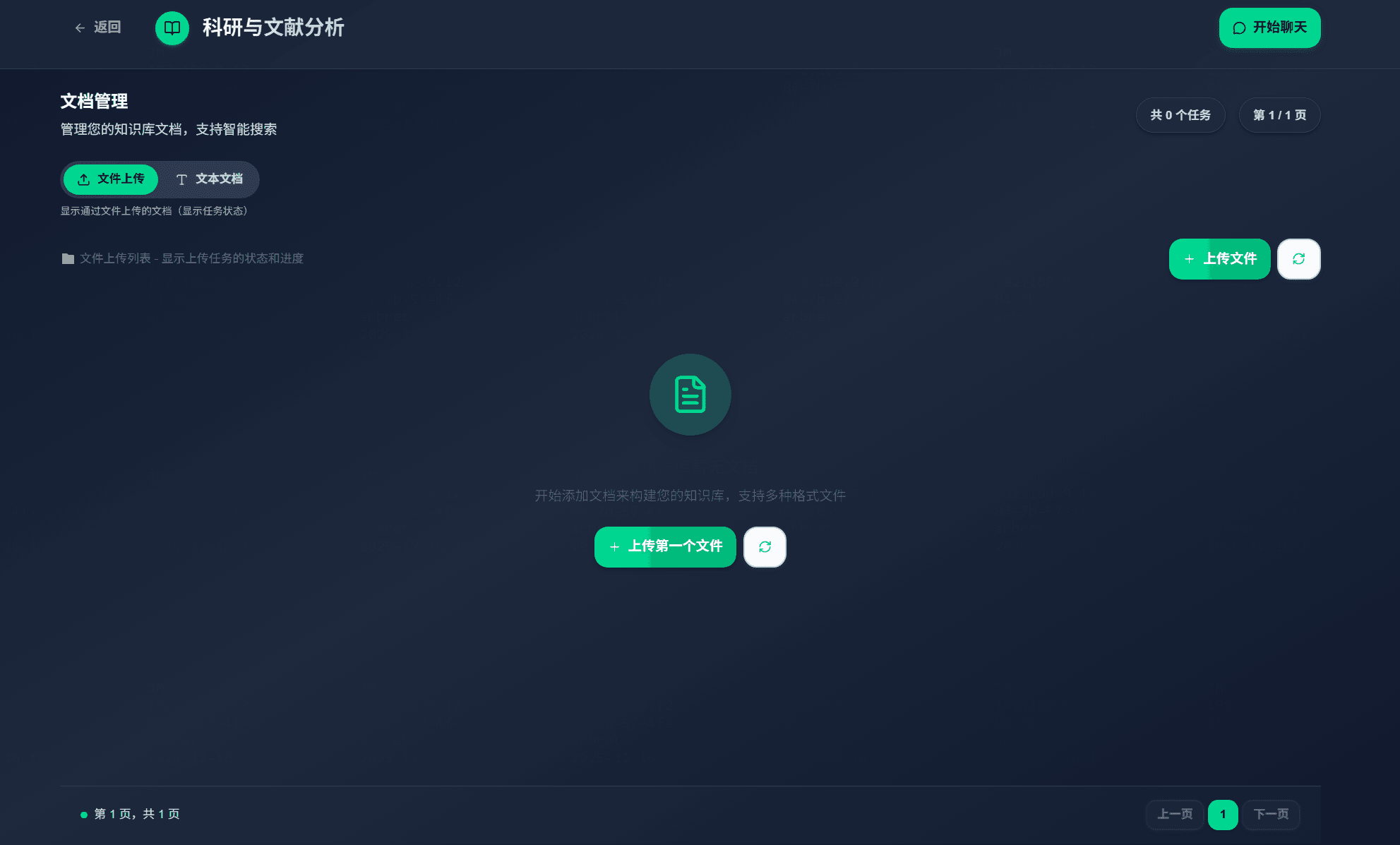
Upload Files
Support batch upload of various documents with automatic parsing and indexing. Intelligently recognize document structure while preserving original format information.

Intelligent Q&A
RAG-based intelligent Q&A system that precisely understands user intent, retrieves relevant information from the knowledge base, and generates high-quality answers.

Multiple File Format Support
Support various file formats including PDF, Word, Excel, PPT, Markdown, etc. Intelligently parse complex charts and tables to ensure data integrity.
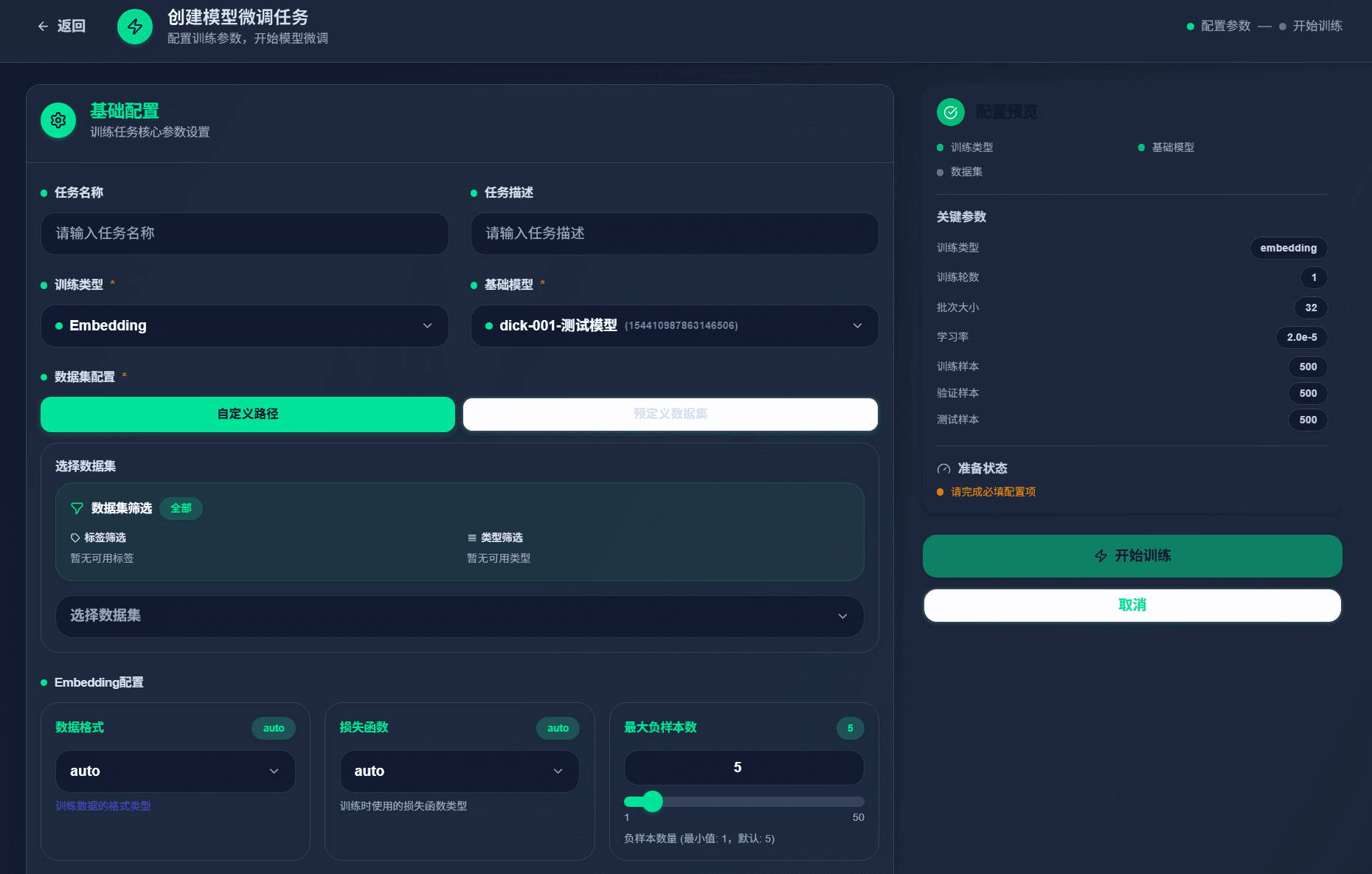
Freely Customize Models to Your Needs
Provide flexible model configuration options with support for custom training and fine-tuning. Make the RAG system better fit your business scenarios and data characteristics.
More Precise Knowledge, Growing Intelligence
Three core advantages to truly make your knowledge base intelligent
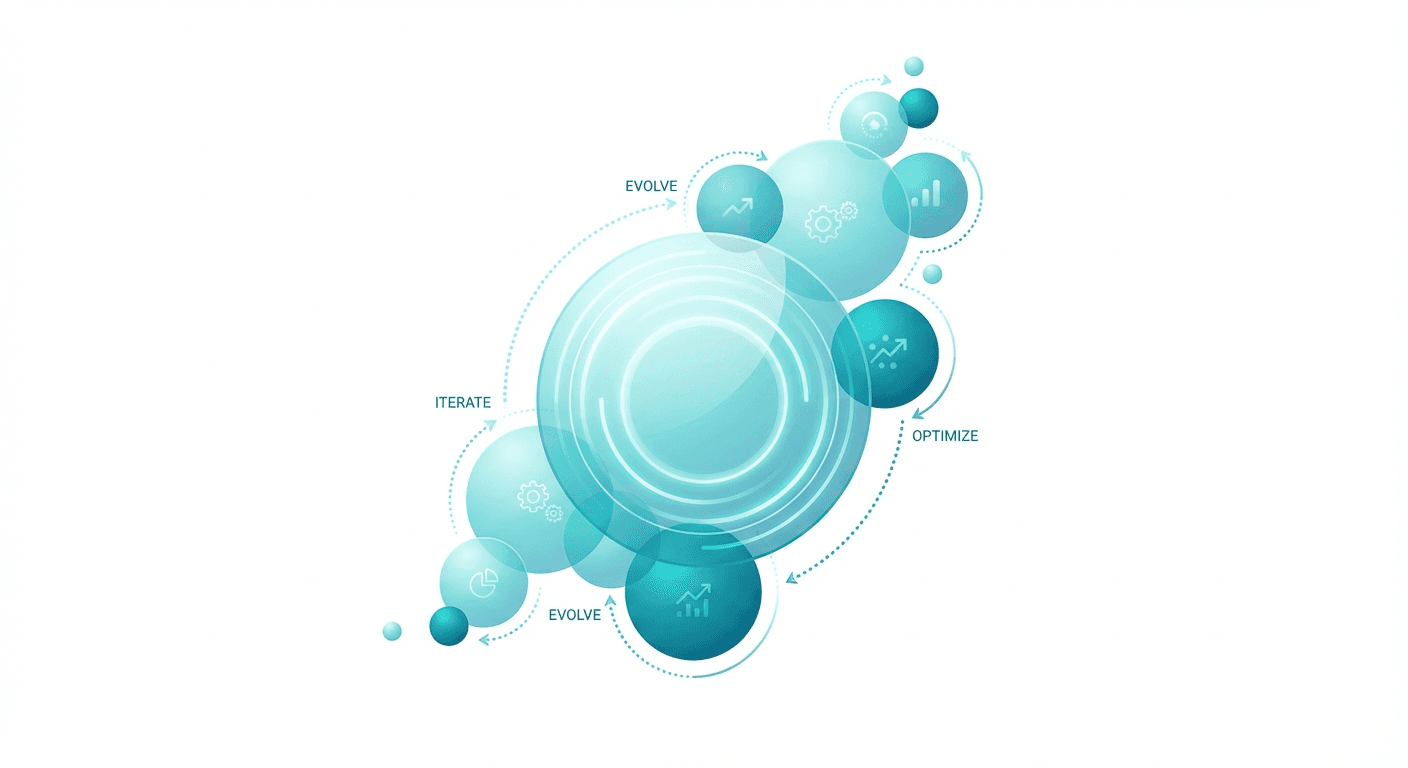
Continuous Evolution: Self-Iteration Through Growth
Larger, sharper. Built-in automatic optimization engine dynamically tunes retrieval and decision parameters to ensure continuous precision.
End the industry curse of 'more data, worse results', let your knowledge base achieve intelligent evolution with business scale.
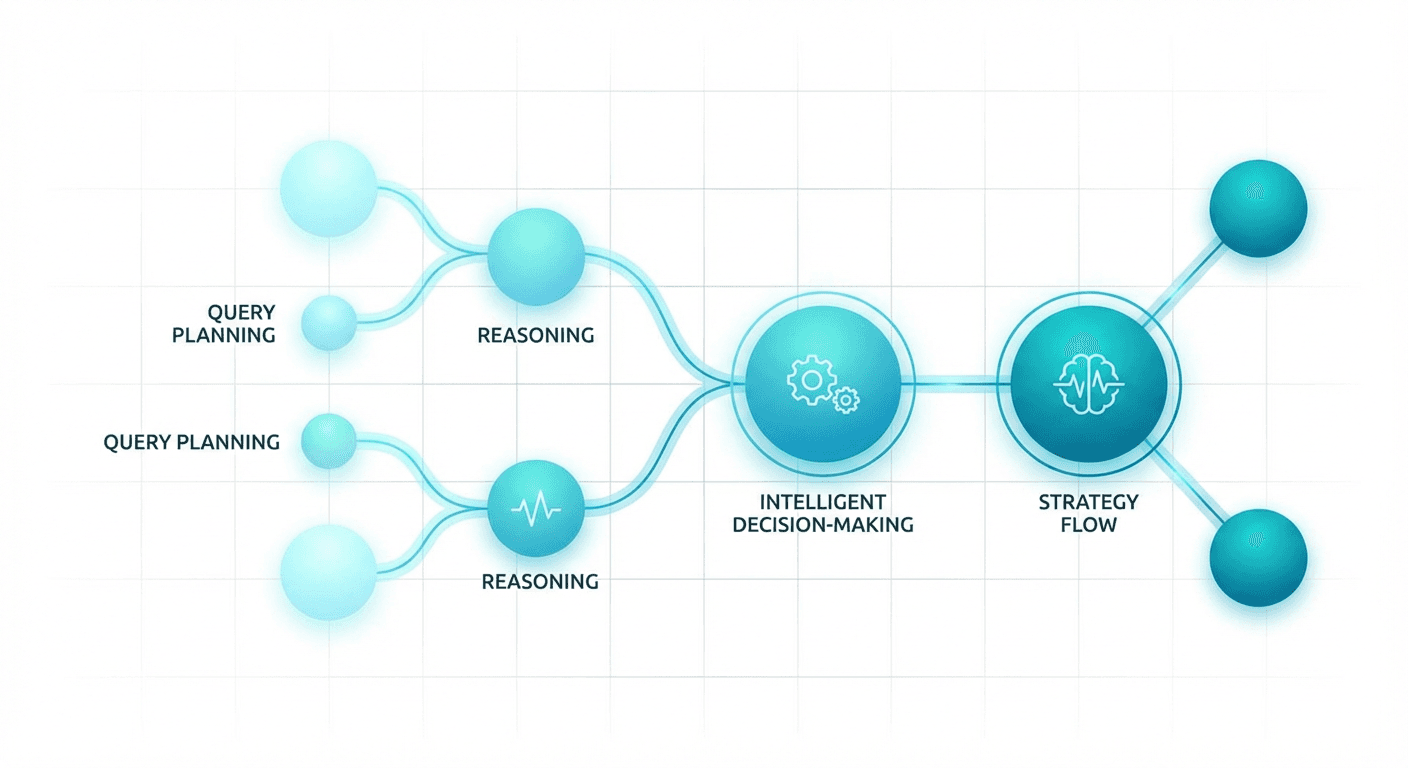
Deep Thinking: Understanding Intent and Strategy
Refuse blind retrieval. Optimize query statements through deep reasoning, meticulously plan and execute the entire retrieval process.
Say goodbye to 'irrelevant answers', precisely solve complex query challenges, let AI truly understand every implication.
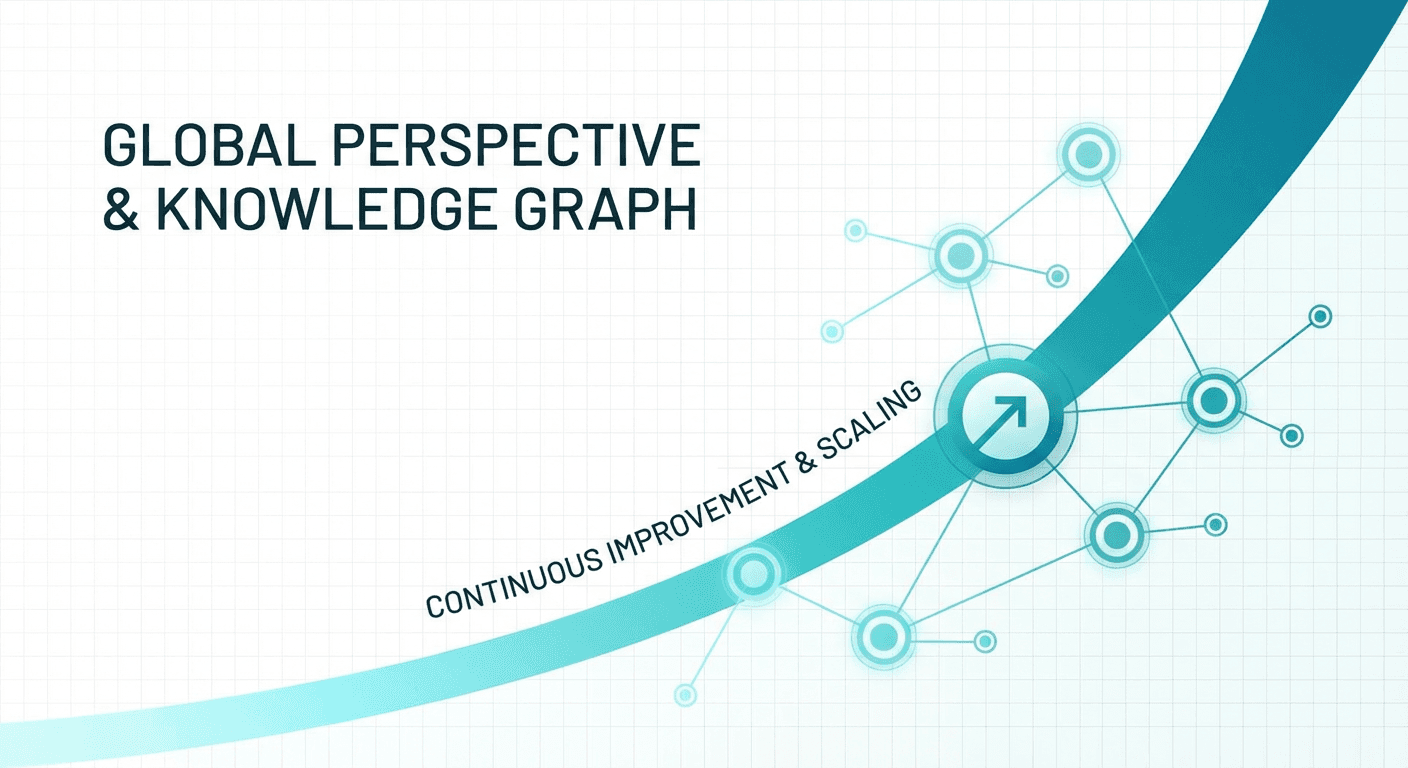
Global Perspective: Weaving Multi-Dimensional Knowledge Graphs
Break through document silos. Use multi-dimensional graphs to achieve associated representation of semantic units, building multi-layered, cross-document knowledge contexts.
Completely eliminate retrieval fragmentation and incomplete documents, capture all answers even when scattered everywhere.